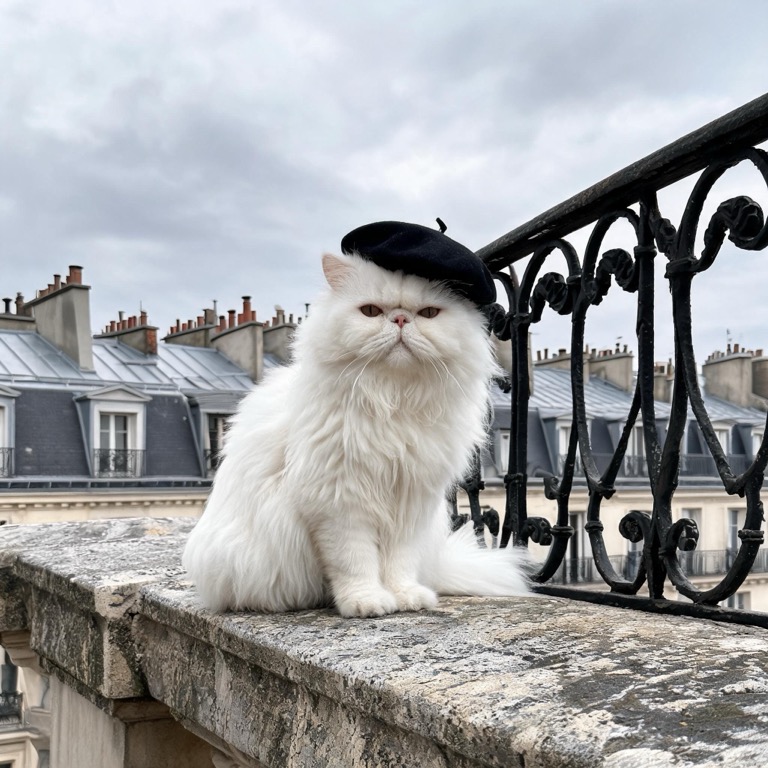
When someone we love loses a pet, we want to help — and it is hard to know how. A pet memorial gift, chosen quietly and given gently, can be that help: something that says their dog mattered, and I remember it too. This guide walks through the keepsakes that bring the most comfort, what to write when words feel impossible, and how to support a grieving friend. There is no right timeline here. Take what is useful.
What makes a good memorial gift
The best pet memorial gifts do one of two things: they preserve a likeness, or they hold a ritual. Everything else is decoration.
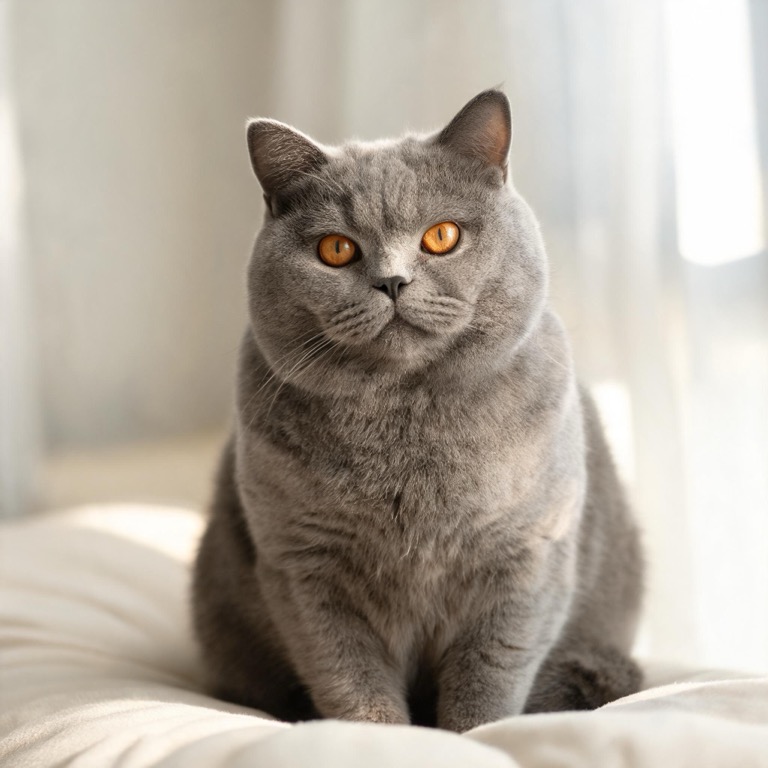
Likeness keepsakes work because grief researchers and pet-loss counselors consistently describe the same need — to keep the animal present in daily life, not to "move on" from them. A portrait by the door, a tag on a keychain, a stone in the garden: these are places to visit. The keepsake portrait style — soft window light, no costume, no gimmick — exists precisely for this; it is our most-requested style from families who have recently said goodbye.
Ritual keepsakes work because anniversaries are hard. A candle you light on the adoption day, a small box for the collar, a seed-grown tree: each one gives grief somewhere to go, especially in the first year when the calendar keeps springing surprises.
What to avoid: anything that rushes the person toward feeling better. "Celebrate the life!" framing, bright rainbow imagery, or gifts that presume a new pet is coming. Comfort first, always.
Portrait keepsakes
A portrait made from a favorite photo is the most personal option, because it returns the face to the room.
- A printed portrait from a clear phone photo. Services that work from photos — including ours — can produce one in under a minute, and every image is honestly labeled as AI-generated (how that works). For memorial portraits we suggest soft, natural styles: window light, muted palettes, the pet alone.
- A framed print of the portrait, matte paper in a simple wooden frame. The frame matters more than people expect; it is the difference between "a picture" and "a place".
- A small everyday object — a keychain, a mug, a phone case — carrying the portrait. Grief visits at work and on commutes, not only at home.
- A photo revisit: if the photo itself is precious but old or low-resolution, a portrait drawn from it often restores detail families had forgotten — the exact pattern above the eye, one crooked ear.
If the pet has passed and no good photo exists, do not let that stop you. Older photos, blurry videos, even a well-lit screenshot can be enough for a soft-style portrait; expectations should be a little gentler, and so should the results.
Practical keepsakes
Some people grieve with their hands. These give them something to do, which is its own kind of help:
- A memorial stone or plaque for the garden or a favorite walking spot, engraved with the pet's name and dates.
- A memory box sized for a collar, a favorite toy, and a final photo — small enough to keep close, large enough to open on hard days.
- A living tribute: a tree or rose bush planted in the yard, or a houseplant that was the pet's windowsill companion. It needs tending, which is the point.
- A donation in the pet's name to the shelter or rescue they came from. Many rescues will send a note; some families make it an annual tradition.
- A commissioned illustration for children in the family. Kids process pet loss through drawing, and having "their" picture of the pet validates that.
What to write
The blank card is the hardest part. Keep it short and specific — the detail you remember is the gift:
- "Biscuit greeted everyone like a long-lost friend. I loved that about him."
- "There was never a walk you two took that didn't end in a story."
- "She picked you. That's what I keep thinking — of all the homes, she picked yours."
- "No one else will ever fill that spot by the window. Thinking of you both."
If you are writing your own goodbye, one sentence is enough: what you loved, what you'll miss, what you hope they know. Grief counselors at the AVMA's pet loss resources note that writing — a letter, a list of memories, even a text message draft you never send — helps put the loss into a shape that can be carried. Cornell's College of Veterinary Medicine also runs a pet-loss support hotline staffed by trained volunteers, and it is free to call.
Supporting a grieving friend
Three things that help, and one that doesn't.
Say the pet's name. Many bereaved pet owners report that friends avoid mentioning the animal entirely, which reads as though the pet — and the loss — didn't matter. Use the name. Tell one memory.
Offer specific help. "Call me if you need anything" is kindly meant and rarely used. "I'm walking my dog Thursday — want company, or would company with a leash be too soon?" is something a person can actually answer.
Mark the hard dates. A short message on the adoption anniversary, one month in, or the first birthday after, lands more deeply than anything said in the first week — because that's when everyone else has stopped asking.
And the one that doesn't: don't rush a new pet. "When are you getting another one?" is the sentence bereaved pet owners cite most often as hurtful. When they're ready, they'll know — and the next chapter will have room for the last one too.
If you choose to honor a pet with a portrait, make it gently — no account needed, and take all the time you need with the photo you pick.